AI in Education: What Today’s Students Need to Know Before College
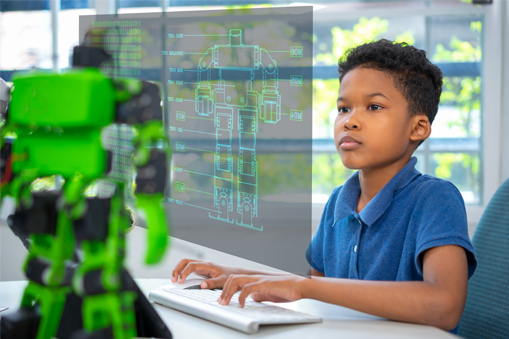
Artificial intelligence (AI) is no longer something reserved for science fiction movies or tech companies, it’s already part of everyday student life. From smart tutoring platforms to personalized learning apps, AI is transforming how students learn, study, and prepare for the future.
As students get ready for college, understanding how AI fits into education is becoming just as important as traditional academic skills. Colleges and universities are increasingly using student learning technology powered by AI, and students who know how to work
with these tools, not against them, are better prepared to succeed.
In this guide, we’ll explore how AI in education is shaping today’s classrooms, what students should know before stepping onto a college campus, and which college readiness skills matter most in an AI-driven world.
What Is AI in Education?
Artificial intelligence in education refers to computer systems designed to perform tasks that typically require human intelligence such as learning, problem-solving, and decision-making within educational environments.
Common Examples of AI in Education
Students may already be using AI without realizing it, including:
- Personalized learning platforms that adapt to progress
- AI-powered tutoring and homework help
- Grammar and writing assistants
- Adaptive testing tools
- Chatbots for academic advising or campus support
These tools aim to enhance learning, not replace teachers or human interaction.
Why AI Matters for College-Bound Students
College environments are becoming increasingly digital. Understanding how AI is used helps students transition more smoothly and confidently.
AI Is Already Part of Higher Education
Many colleges now use AI to:
- Personalize coursework
- Track academic progress
- Recommend resources or study plans
- Support students at risk of falling behind
Students who understand these systems can use them strategically instead of feeling overwhelmed.
How AI Supports Student Learning Technology
AI-powered student learning technology focuses on personalization, efficiency, and accessibility.
Personalized Learning Paths
AI systems can:
- Identify strengths and weaknesses
- Adjust lesson difficulty
- Recommend additional practice where needed
This means students receive support tailored to their learning style something especially valuable during the transition to college-level coursework.
Instant Feedback and Support
Unlike traditional learning models, AI tools often provide immediate feedback.
This helps students:
- Correct mistakes quickly
- Understand concepts in real time
- Build confidence through practice
Immediate feedback encourages independent learning, a key expectation in college.
Essential College Readiness Skills in an AI-Driven World
Academic knowledge alone is no longer enough. Students need a broader set of skills to thrive in college and beyond.
1. Digital Literacy
Digital literacy goes beyond knowing how to use a computer.
Students should understand:
- How AI tools work at a basic level
- When to rely on technology and when not to
- How to evaluate digital information critically
Being digitally literate helps students use AI responsibly and effectively.
2. Critical Thinking and Problem-Solving
AI can provide answers, but it can’t replace human reasoning.
College-ready students must be able to:
- Analyze information critically
- Ask meaningful questions
- Solve complex problems without shortcuts
AI in education works best when paired with strong thinking skills.
3. Ethical Awareness and Responsibility
With powerful technology comes responsibility.
Students should understand:
- Academic integrity and plagiarism rules
- Ethical use of AI-generated content
- Data privacy and digital footprints
Colleges expect students to use AI as a support tool not as a replacement for original work.
4. Adaptability and Lifelong Learning
Technology evolves rapidly. Students who succeed are those willing to adapt.
AI-focused college readiness skills include:
- Learning new tools quickly
- Staying curious and flexible
- Embracing continuous improvement
These traits help students thrive both academically and professionally.
How Students Can Use AI as a Learning Partner
AI is most effective when used intentionally.
Smart Ways to Use AI Tools
Students can use AI to:
- Organize study schedules
- Review difficult concepts
- Practice writing and grammar
- Generate study questions
- Explore career paths
The goal is to enhance understanding not to avoid learning.
Avoiding Over-Reliance on AI
While AI is helpful, over-dependence can weaken essential skills.
Students should avoid:
- Submitting AI-generated work as their own
- Skipping the learning process
- Relying on AI for critical thinking
Balance is key to using AI responsibly in education.
AI and Academic Integrity in College
Colleges take academic honesty seriously, and AI has introduced new challenges.
Understanding College Policies
Most institutions now have guidelines about AI usage.
Students should:
- Review academic integrity policies carefully
- Ask professors about acceptable AI use
- Use AI transparently and ethically
Understanding expectations early prevents serious consequences later.
Preparing for AI-Powered College Classrooms
High school students can start preparing now.
Practical Preparation Tips
Learn the Basics of AI
Understanding what AI is and what it isn’t helps students feel confident.
Practice Independent Learning
College requires self-directed study, and AI tools often support this model.
Build Strong Writing and Research Skills
AI can assist, but original thinking and communication remain essential.
Develop Time Management Skills
AI tools may track progress, but students must still manage their time effectively.
How AI Supports Equity and Access in Education
AI in education has the potential to reduce barriers for many students.
Increased Access to Resources
AI-powered platforms can:
- Offer tutoring outside traditional hours
- Support students with different learning needs
- Provide language and accessibility tools
This aligns with the mission of organizations like the Bethune Scholarship Foundation, which support educational opportunity and student success.
The Role of Educators and Mentors
AI works best alongside human guidance.
Why Human Support Still Matters
Teachers, mentors, and counselors:
- Provide emotional intelligence AI can’t replicate
- Offer context, encouragement, and motivation
- Help students set goals and stay accountable
AI is a tool but people remain at the heart of education.
Career Readiness and AI Awareness
Understanding AI in education also prepares students for future careers.
AI Skills Are Career Skills
Many industries now expect:
- Comfort with digital tools
- Analytical thinking
- Ethical decision-making
Early exposure to AI helps students become competitive, informed professionals.
Common Myths About AI in Education
Myth 1: AI Will Replace Teachers
Reality: AI supports learning, but educators remain essential.
Myth 2: AI Makes Learning Easier Without Effort
Reality: AI enhances learning, but effort and engagement still matter.
Myth 3: Only Tech Students Need to Understand AI
Reality: AI impacts all fields from healthcare to business to education.
Final Thoughts: Empowering Students for the Future
AI is shaping how students learn, think, and prepare for college and understanding it is no longer optional. By developing strong digital literacy, ethical awareness, and critical thinking, students can use AI as a powerful ally rather than a shortcut.
AI in education is not about replacing human potential, it’s about expanding it. When paired with curiosity, responsibility, and support, student learning technology can help students enter college confident, prepared, and ready to succeed.
As students take their next academic steps, learning how to navigate AI thoughtfully is one of the most valuable college readiness skills they can develop, setting the foundation for success in college and beyond.